Jordan Vogel · 11 October 2026
Bridging Academia and Startups: The Story Behind a New Portable Lab Kit for On-Site Analysis
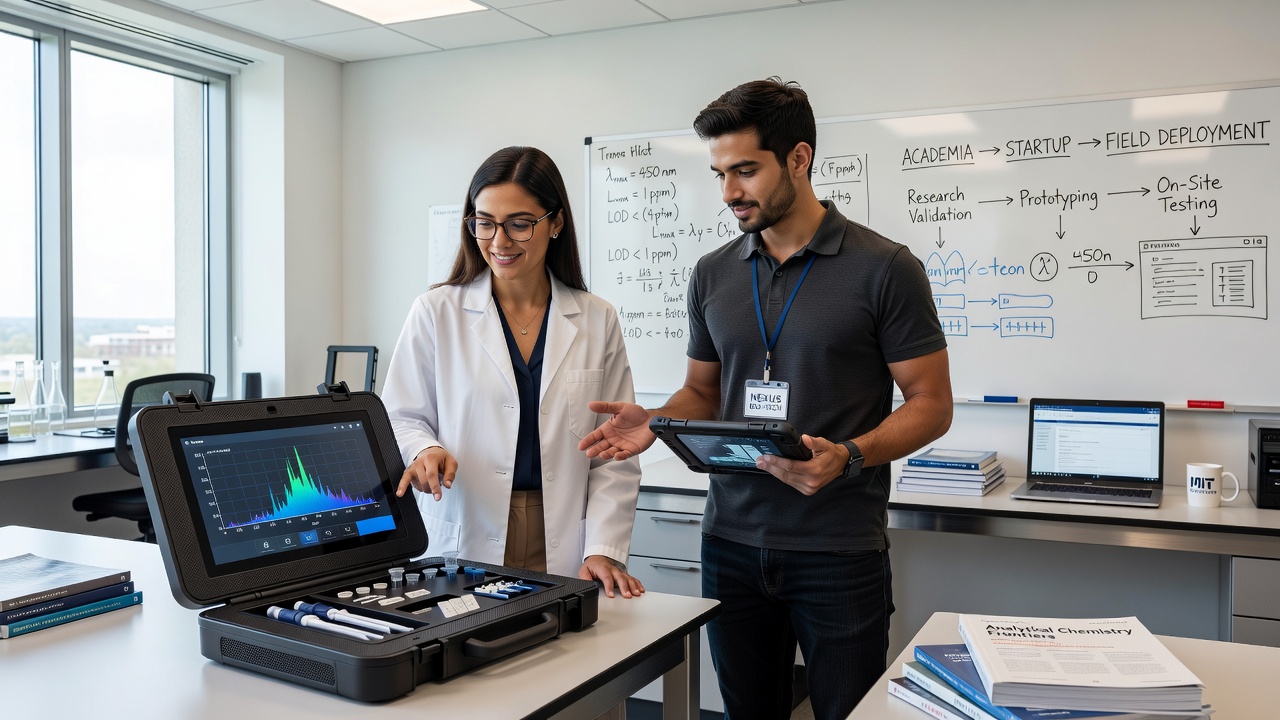
Researchers from several European institutions joined forces with a UK-based technology startup in early 2025 to create a compact system capable of performing chemical and biological assays directly at remote sites, and the resulting device reached field testing stages by October 2026. The project combined university laboratory protocols with engineering methods from the startup sector, producing a kit that fits into a standard backpack yet delivers results comparable to benchtop equipment in controlled environments.
Origins of the Collaboration
Academic groups at institutions in Germany and Canada had developed individual sensor arrays for detecting heavy metals and organic pollutants in water samples, while the startup focused on miniaturizing power supplies and data transmission hardware. Joint workshops held in 2024 identified overlapping needs, and teams merged their approaches into a single modular platform. Data from initial prototypes showed detection limits within 5 percent of traditional lab methods for common analytes such as lead and nitrate, according to figures released by the European Commission Joint Research Centre.
Funding came through a combination of national research grants and private investment rounds, allowing the partners to purchase specialized microfabrication equipment without relying on any single source. One engineering team documented how 3D-printed housings reduced overall weight by 40 percent compared with earlier metal enclosures, while maintaining IP67-rated protection against dust and water ingress.
Technical Specifications and Field Performance
The kit contains interchangeable cartridges for electrochemical sensing, optical spectroscopy, and polymerase chain reaction amplification, all controlled through a rugged tablet interface. Users load a liquid sample into a disposable cartridge, and onboard pumps circulate reagents while embedded processors analyze signals in real time. Battery packs support eight hours of continuous operation, and results upload automatically to cloud servers when cellular or satellite connections become available.
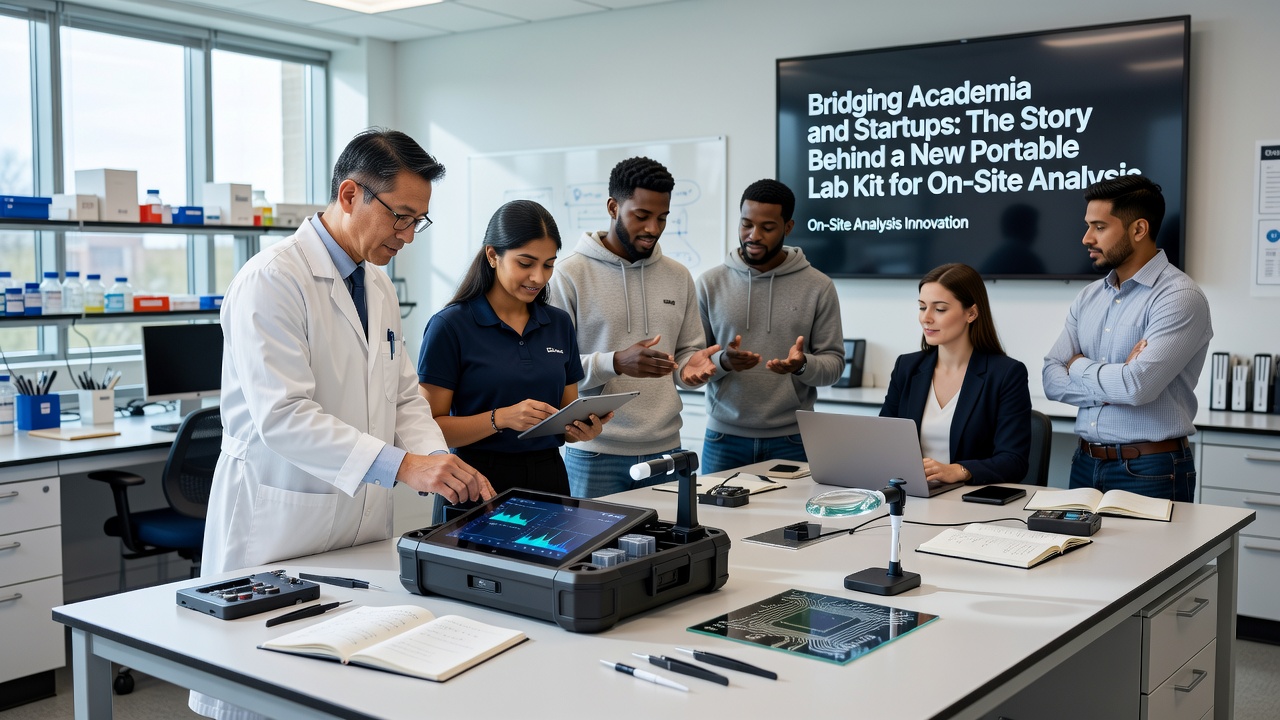
Trials conducted across river basins in Scandinavia and agricultural regions in Australia confirmed consistent readings under varying temperature and humidity conditions. A report from the Australian Research Council noted that on-site measurements reduced sample transport time from days to minutes, cutting the risk of analyte degradation during transit. Software updates pushed remotely in September 2026 added calibration routines for additional pesticides, expanding the device's utility for regulatory compliance checks.
Integration With Existing Monitoring Networks
Environmental agencies in North America and the European Union have begun incorporating the kits into broader sensor arrays that already collect continuous data from fixed stations. The portable units serve as validation tools, allowing technicians to cross-check automated readings during site visits. Statistics published by Environment and Climate Change Canada indicate that hybrid networks using both fixed and mobile assets improved spatial coverage by 25 percent in pilot watersheds during the 2025 season.
Training programs developed by the academic partners emphasize standardized sampling procedures, and several universities now include the kit in undergraduate field courses. Participants learn to interpret spectral outputs and adjust for matrix effects common in natural waters, skills that transfer directly to professional monitoring roles.
Future Development Pathways
Engineers continue refining cartridge chemistry to include assays for emerging contaminants such as per- and polyfluoroalkyl substances, with preliminary tests scheduled for early 2027. Partnerships with additional research groups in Asia aim to adapt the platform for soil nutrient analysis, broadening its application beyond water quality. Open-source elements in the control firmware allow independent developers to create custom modules while maintaining core calibration standards established during the original academic collaboration.
Conclusion
The portable lab kit emerged from structured exchanges between university research groups and startup engineering teams, resulting in a device now undergoing expanded deployment across multiple continents. Performance data collected through October 2026 supports its role in both regulatory monitoring and educational settings, and ongoing refinements point toward wider adoption in environmental science workflows.